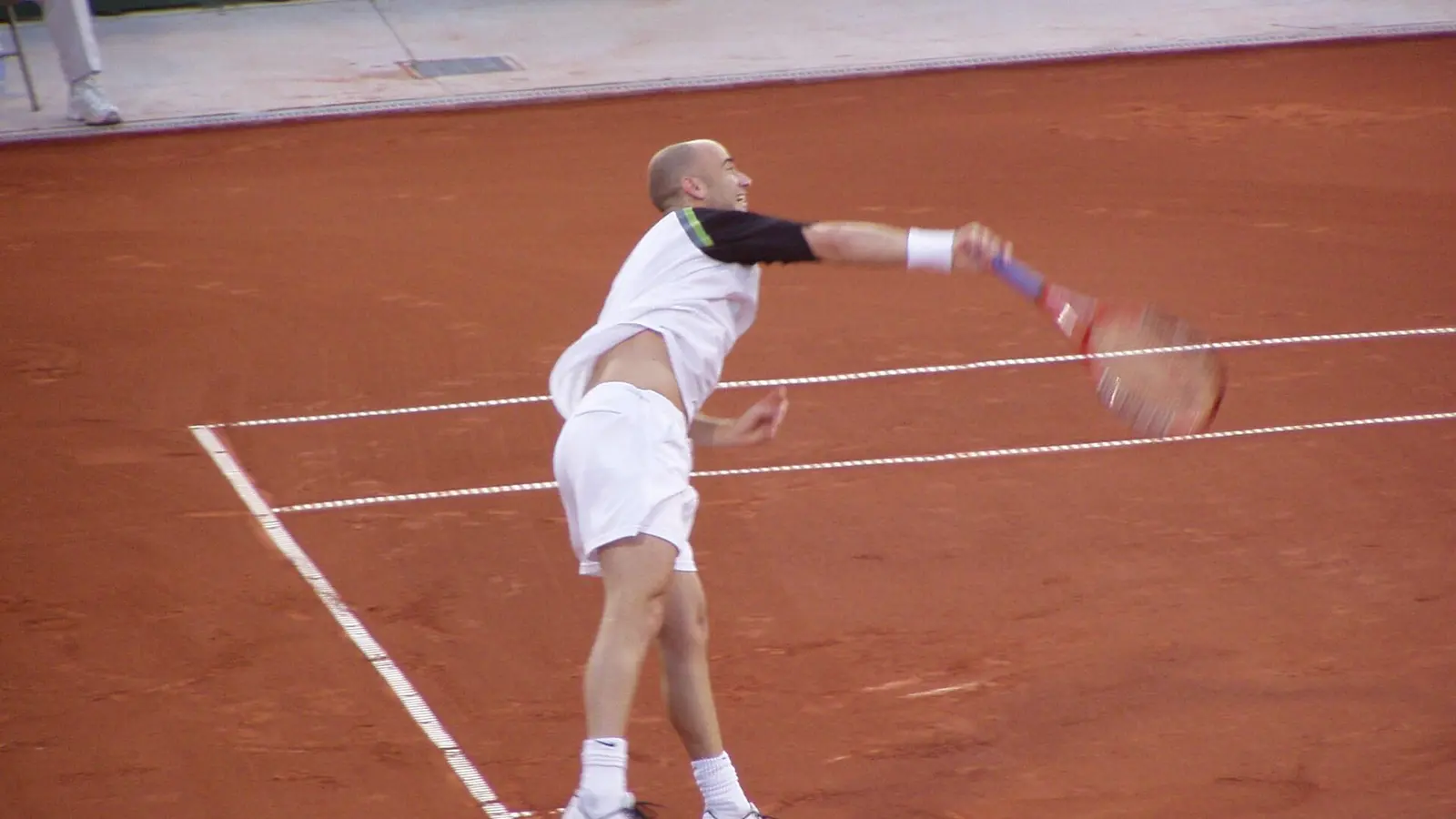
On the field
Danny Ayres Racing keeps tennis pages focused on structure: what actually changes outcomes (form, matchups, schedule, tactics), not recycled hype.
What usually shifts outcomes
Serve location, return depth, break-point conversion, and how players manage long rallies after a three-setter the day before.
Watching live
Watch first-serve percentage by court side, how returners adjust depth, and whether break points are saved with pace or placement.
Season rhythm
Tour blocks hop surfaces like a calendar hopping tracks: clay endurance, grass reflexes, indoor pace. Back-to-back deep runs drain legs before rankings update.
Race fans know setup windows are short. Give a player a full week on a new court before you treat one loss as a slump.
Before you watch
Check consecutive match load and surface change. Note handedness matchups and indoor versus outdoor conditions.
- Serve: first-serve points won and double-fault risk on big points.
- Baseline: who redirects crosscourt versus who goes down the line.
- Break points: conversion and save patterns under pressure.
Common misreads
Winner counts hide unforced errors on the next ball. A flashy drop shot does not fix a serve getting picked apart. Track hold and break trends across sets. Keep this checklist handy when travel weekends stack, so you judge process before the highlight reel. If the broadcast skips context, rewind ten minutes and match what you see to the rhythm notes above. Spot a stale detail after a trade, injury, or schedule shift? Use the contact link and we will refresh the page.
Bottom line
Use this guide when you preview a match or catch up between sets. Spot something stale? Tell us and we will fix it.